


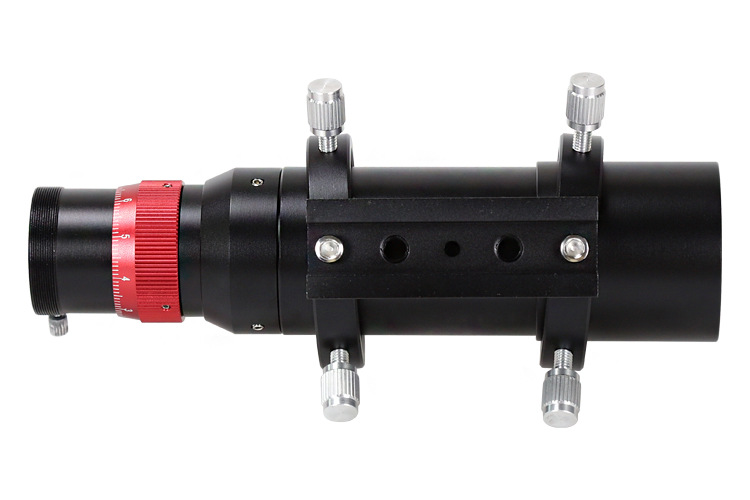
TeSeek B5P9976D 50MM Dual Speed Focusing Guide Scope 1.25-Inch Astronomical Telescope Guidescope
Не удалось загрузить сведения о доступности самовывоза

Specifications
Brand
Product type
Technical specs
Design and durability
Introduction:
- A guiding telescope attached to the main telescope barrel for monitoring guiding stars. Its function is to ensure that the main telescope accurately tracks the observed celestial body, and once the guiding deviates from the correct position, it is corrected through the telescope's driving device.
- The main mirror of an astronomical telescope is responsible for the observation. However, many astronomical observations cannot be completed smoothly solely through the main mirror. It also needs an assistant, which is a finderscope or guide scope.
- In order to quickly search for the celestial body to be observed, a small astronomical telescope called a finderscope is often mounted next to the main mirror. Star seeking telescopes generally use refractive astronomical telescopes. Its optical axis is parallel to the optical axis of the main mirror, so as to maintain consistency with the target of the main mirror. The aperture of the objective lens of the star finder is generally around 3-10 centimeters, the field of view is around 30-50, the magnification is around 4-20 times, and a cross reticle for calibration is installed at the focal plane. When observing, first use a finderscope to find the celestial body to be observed, and adjust it to the center of the field of view. At this point, the celestial body is naturally located in the center of the main mirror's field of view.
- When the main mirror is observing for a long time, in order to correct tracking errors in a timely manner, a monitoring telescope called a guide scope is set up next to the main mirror. The telescopes commonly used in astronomy have replaced traditional finderscope with guide scope.
Features:
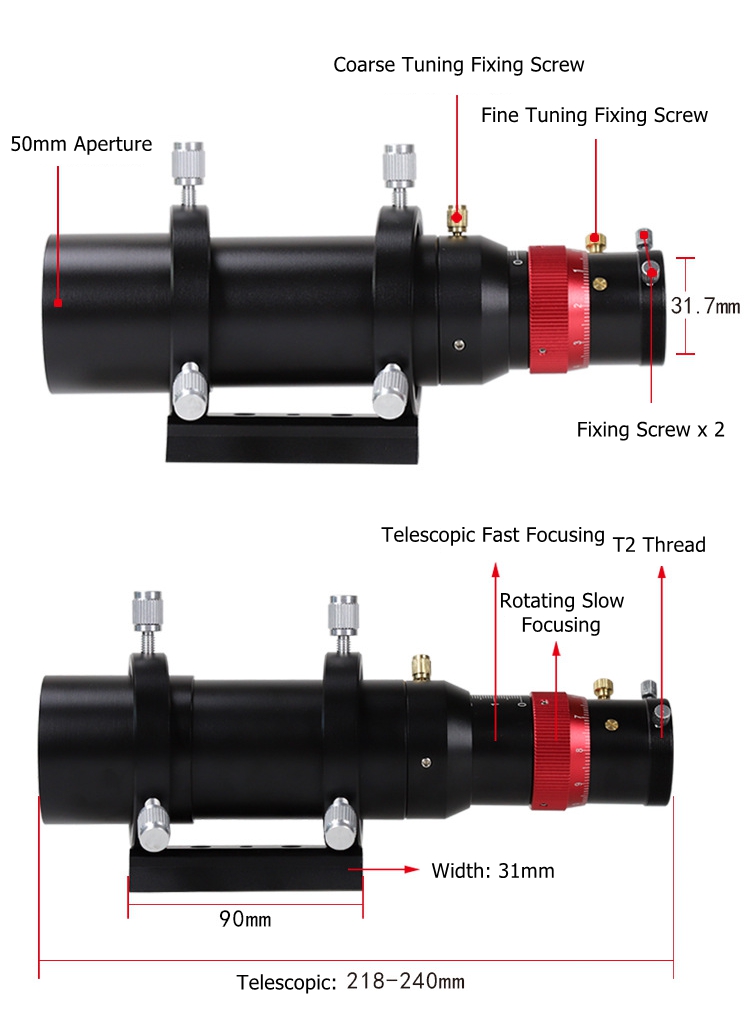
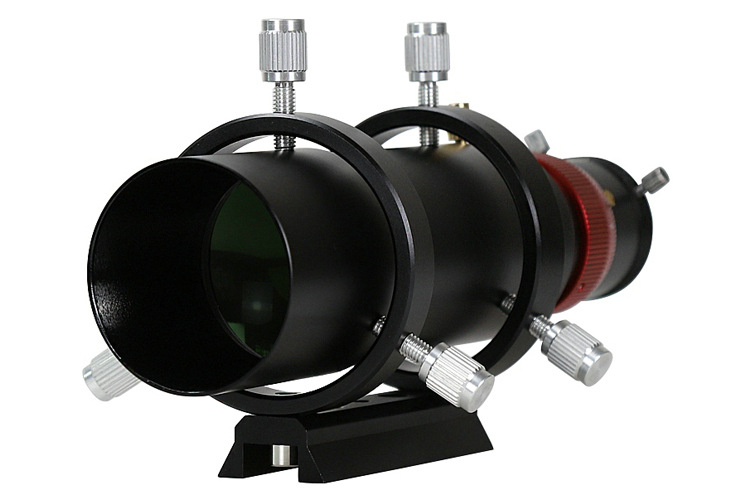
- Adopting a 50mm optical lens, dual laminated optical glass lens, FMC high-definition green film, the imaging is clearer.
- Equipped with a bright wide field of view optical system, it is convenient to quickly find the target required by the telescope.
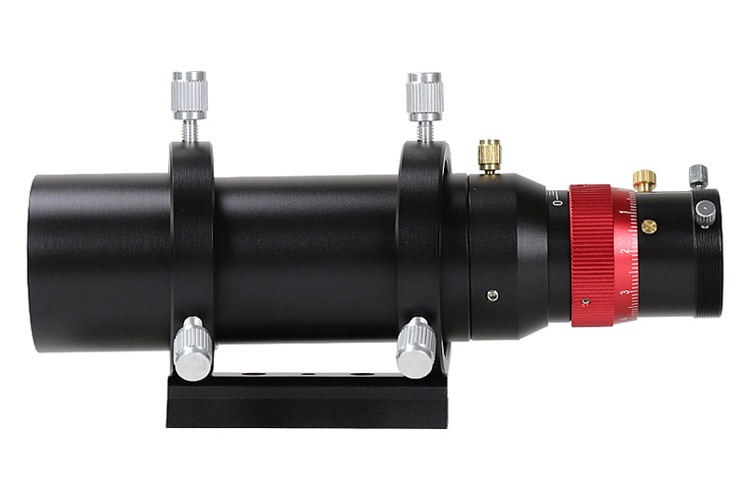
- Equipped with a dual speed focusing system, stretching type fast focusing, rotating type slow focusing device, which can accurately focus and guide, easy to use.
- The tail of the lens barrel has a T2 type thread, which is used to firmly connect accessories such as guide cameras equipped with internal T2 type threads.
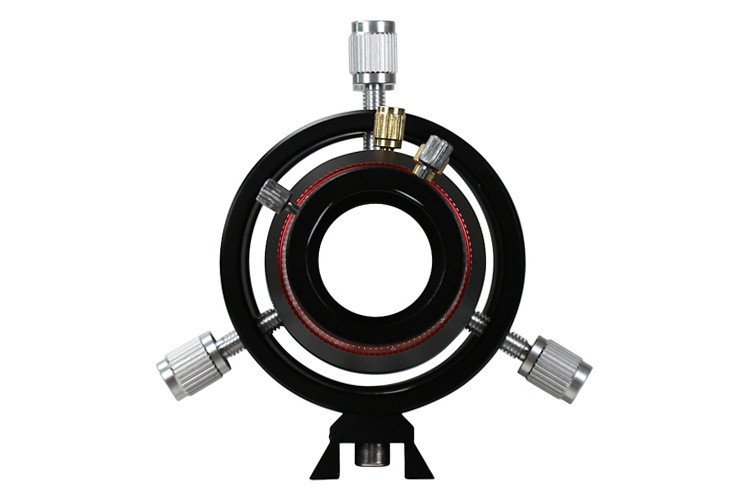
- The guide rail range is made of high-quality aluminum alloy material, which is sturdy, lightweight, and durable. Suitable for various telescope brackets, easy to install.
- The surface of the barrel is designed with black oxide black coating, which is not easy to scratch, exquisitely crafted, and has a beautiful appearance.
Specification:
- Model: B5P9976D
- Barrel material: metal-aluminum
- Bracket material: metal-aluminum
- Main mirror focal length: 180mm
- Objective lens aperture: 50mm
- Lens material: optical glasses
- Lens number: 2 pieces, 1 set of laminated lenses
- Lens coating: FMC green film
- Interface size: 1.25-inch (31.7mm)
- Focusing system: dual speed focusing (telescopic fast focus + rotating fine focus)
- Net weight: 614g
Package Included:
- 1 x Guidescope
- 1 x Bracket Base
- Businesses may need to employ various types of legal pages on their websites or mobile apps. Some, like Privacy Policies, are required by law, while others, such as a Terms and Conditions agreement (T&C), are not. Regardless of legal demands, you may find that your company needs one or more legal pages for compliance and optimal operation.
- In this article, we will go over the most common legal pages, walk you through a summary of what each requires, and explain why you may need it. In addition, you'll find a sample template for each type of legal page so you can quickly get started writing your own.
If you have any questions about this product, please let us know by filling out the form below, and we will contact you as soon as possible.